Lifetime Guarantee





Description
[vc_row][vc_column][vc_column_text]
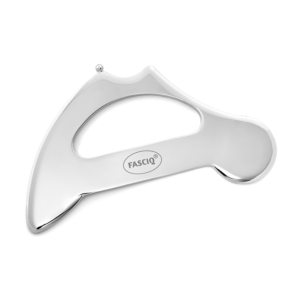
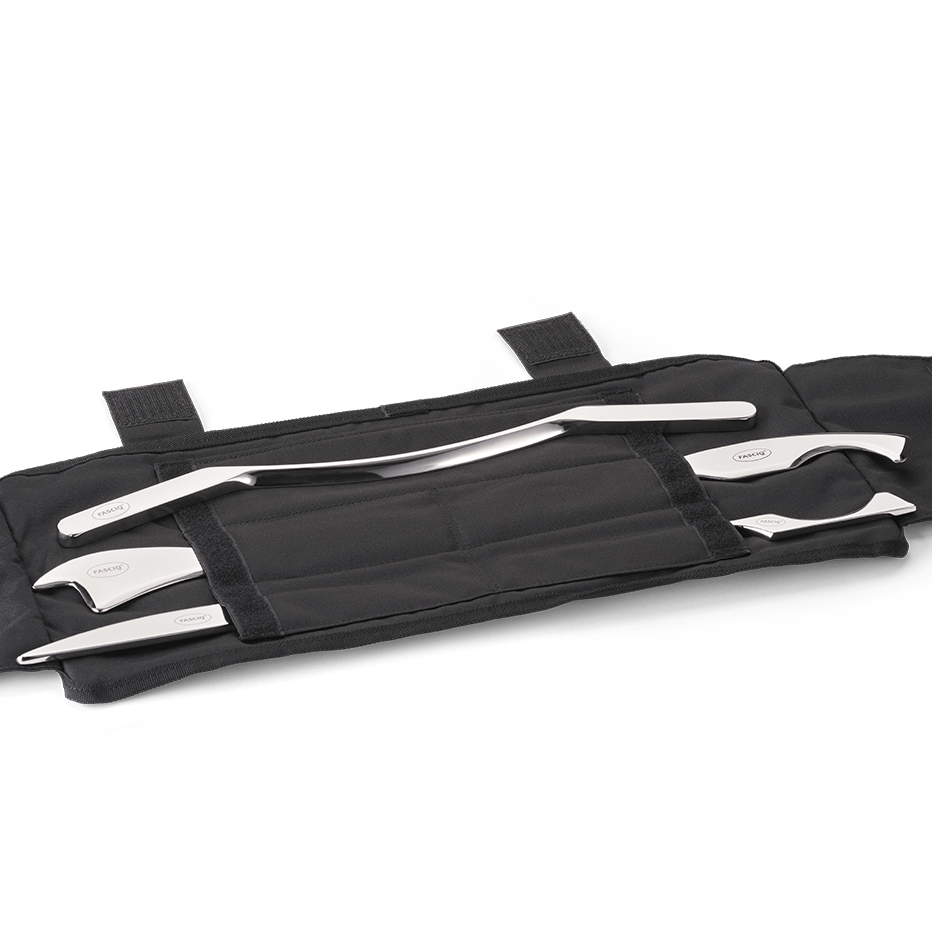
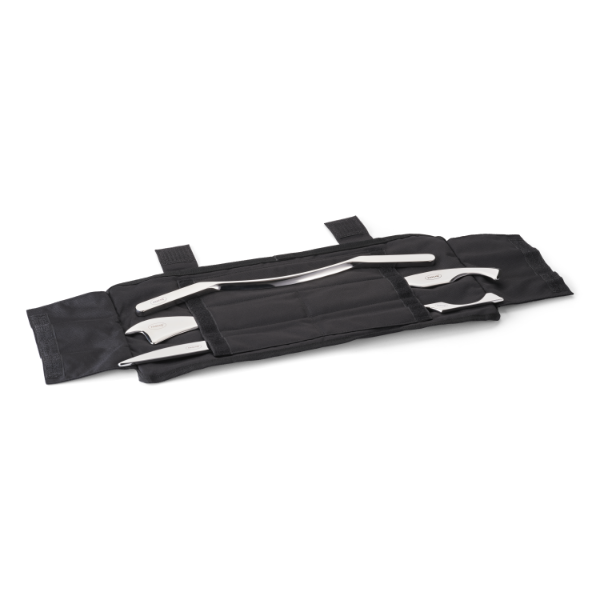
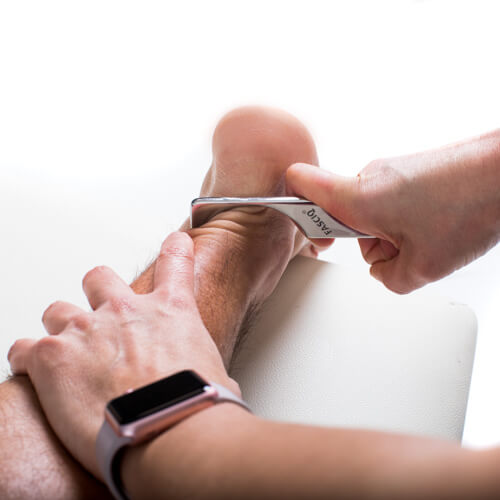
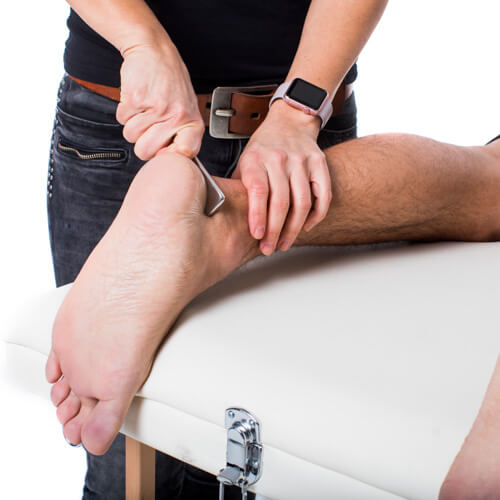
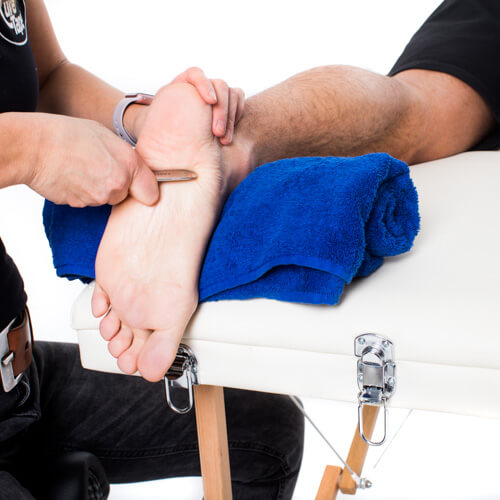
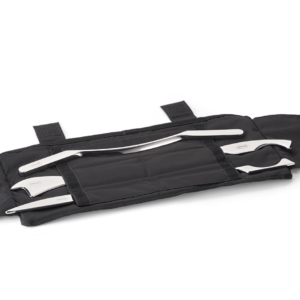
The FASCIQ® IASTM Toolset Large is the ultimate must have IASTM tool set. All IASTM tools carry Lifetime Guarantee and are shipped Australia-wide for FREE.
[/vc_column_text][/vc_column][/vc_row][vc_row][vc_column width=”2/3″][vc_column_text]All FASCIQ® IASTM tools have Lifetime Guarantee, which of course applies under normal usage.[/vc_column_text][/vc_column][vc_column width=”1/3″][vc_single_image image=”5572953″ img_size=”150×127″ alignment=”center”][/vc_column][/vc_row][vc_row][vc_column][vc_column_text]
FASCIQ® IASTM Tool set – Large information
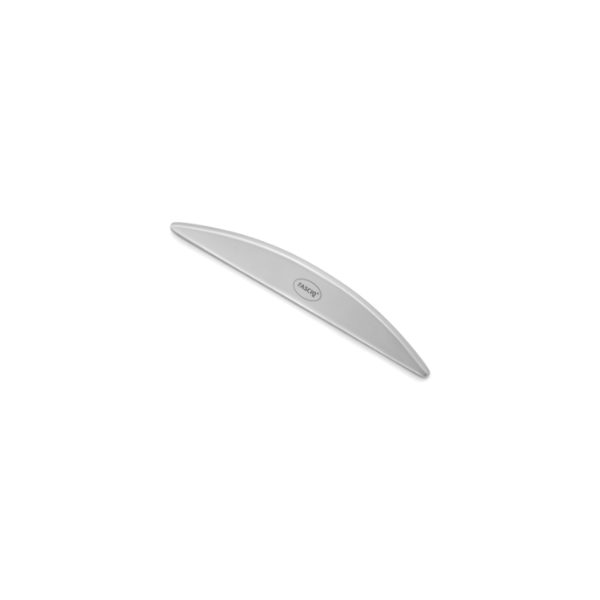
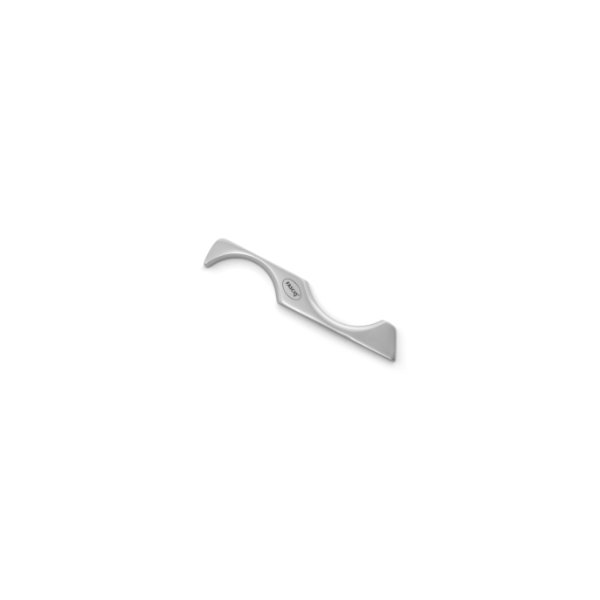
The set size L consists of five large tools for treating all parts of the body and larger muscle groups.
Material: AISI 304 (1.4301) high-quality surgical stainless steel
| Nr. | Measurements | Weight | Description |
|---|---|---|---|
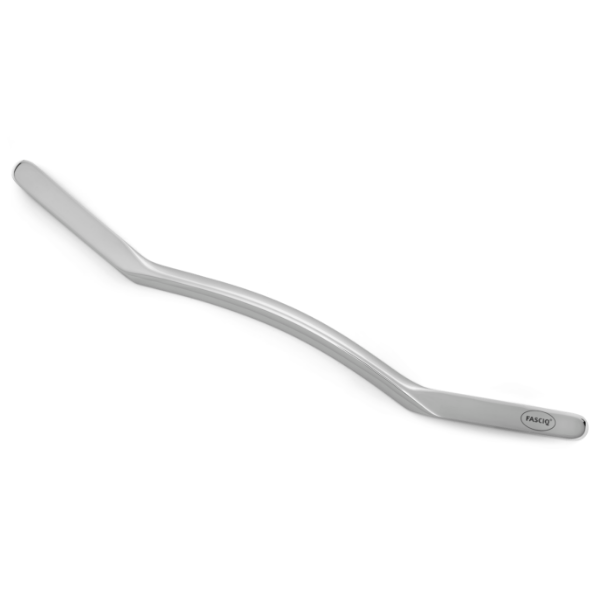
| 1 | 9 mm x 1,9 cm x 44,6 cm | 539 gr | Heavy IASTM Tool for treating large areas. Two handles and a convex side for deep stroking. |
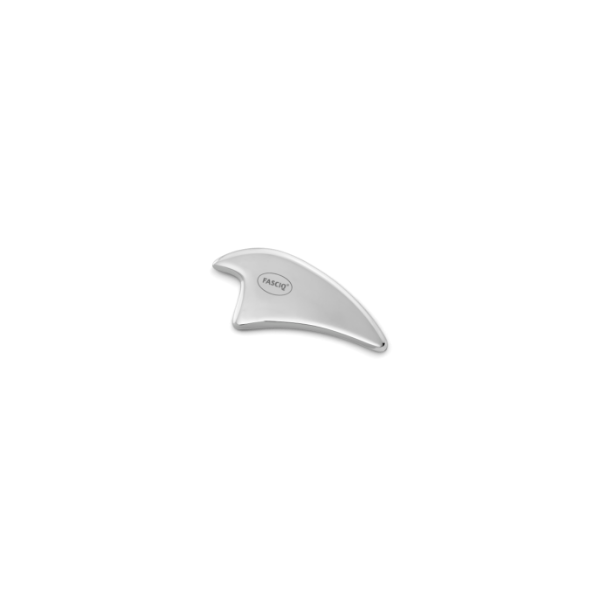
| 2 | 6 mm x 6 cm x 13,6 cm | 207 gr | Two slanted sides at a perpendicular angle, a convex side and a concave side. |
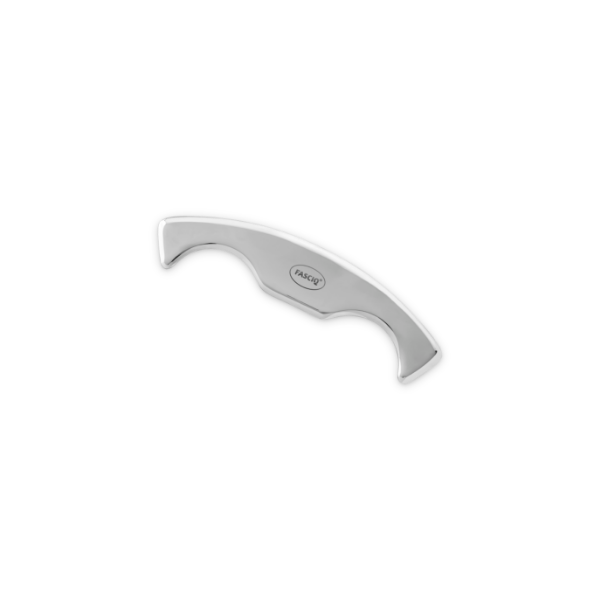
| 3 | 6 mm x 4,2 cm x 20,7 cm | 263 gr | Two slanted sides with a long, convex Curve and two concave arches. |
| 4 | 6 mm x 3,2 cm x 21,3 cm | 216 gr | One side has one downwardly slanted convex curve and the straight bottom has a convex edge. |
| 5 | 5 mm x 2,3 cm x 15,2 cm | 85 gr | Tool with 1 arch with two slanted edges and one arch with one upwardly slanted edge. Also available with straight finishes. |
[/vc_column_text][vc_column_text]
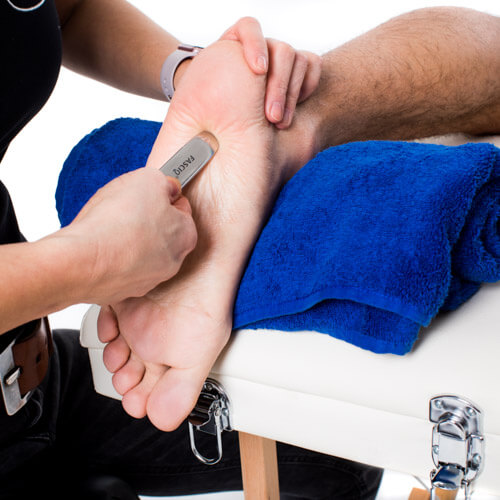
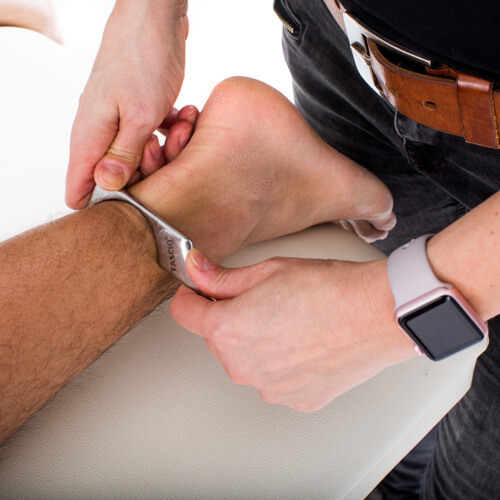
The most common conditions FASCIQ® IASTM Tools are used for:
- Plantar fasciitis
- Patella tendonitis
- Achilles tendonitis
- Carpal tunnel syndrome
- Shin splints
- Adhesive capsulitis
- Tennis/golfer’s elbow
- Iliotibial band friction syndrome
- Surgical or traumatic scars
[/vc_column_text][vc_column_text]In recent years it has been discovered that the basic functions of joints, muscles, organs and tendons require a normal functioning fascial system. Normal muscle function needs well-hydrated surrounding fascia to allow normal tissue gliding. Between 30 and 40 percent of the force generated by a muscle comes from the surrounding fascia. These facts make it clear that the fascia requires special attention.[/vc_column_text][vc_single_image image=”5577216″ img_size=”full”][/vc_column][/vc_row][vc_row][vc_column][vc_raw_html]JTNDaDIlM0VJQVNUTSUyMFRvb2xzJTIwcHJvZHVjdCUyMHZpZGVvJTNDJTJGaDIlM0UlMEElM0NkaXYlMjBjbGFzcyUzRCUyMnlvdXR1YmUtcGxheWVyJTIyJTIwZGF0YS1pZCUzRCUyMkFLanp5YnB5aU9JJTIyJTNFJTNDJTJGZGl2JTNF[/vc_raw_html][/vc_column][/vc_row][vc_row][vc_column][vc_separator][/vc_column][/vc_row][vc_row][vc_column width=”2/3″][vc_column_text]
★★★★★
“Excellent product by FASCIQ. FASCIQ IASTM tools are a welcomed addition!”
– Luke Rudkin
Sports Physiotherapist at Premiership side Gloucester Rugby
[/vc_column_text][/vc_column][vc_column width=”1/3″][vc_single_image image=”5571262″ alignment=”center” style=”vc_box_circle”][/vc_column][/vc_row]